FlowTech / HomeBelow the surface / Before the designKnow the site.
Shape the questions.
A ground source conversation starts with the property you have, not a universal answer.
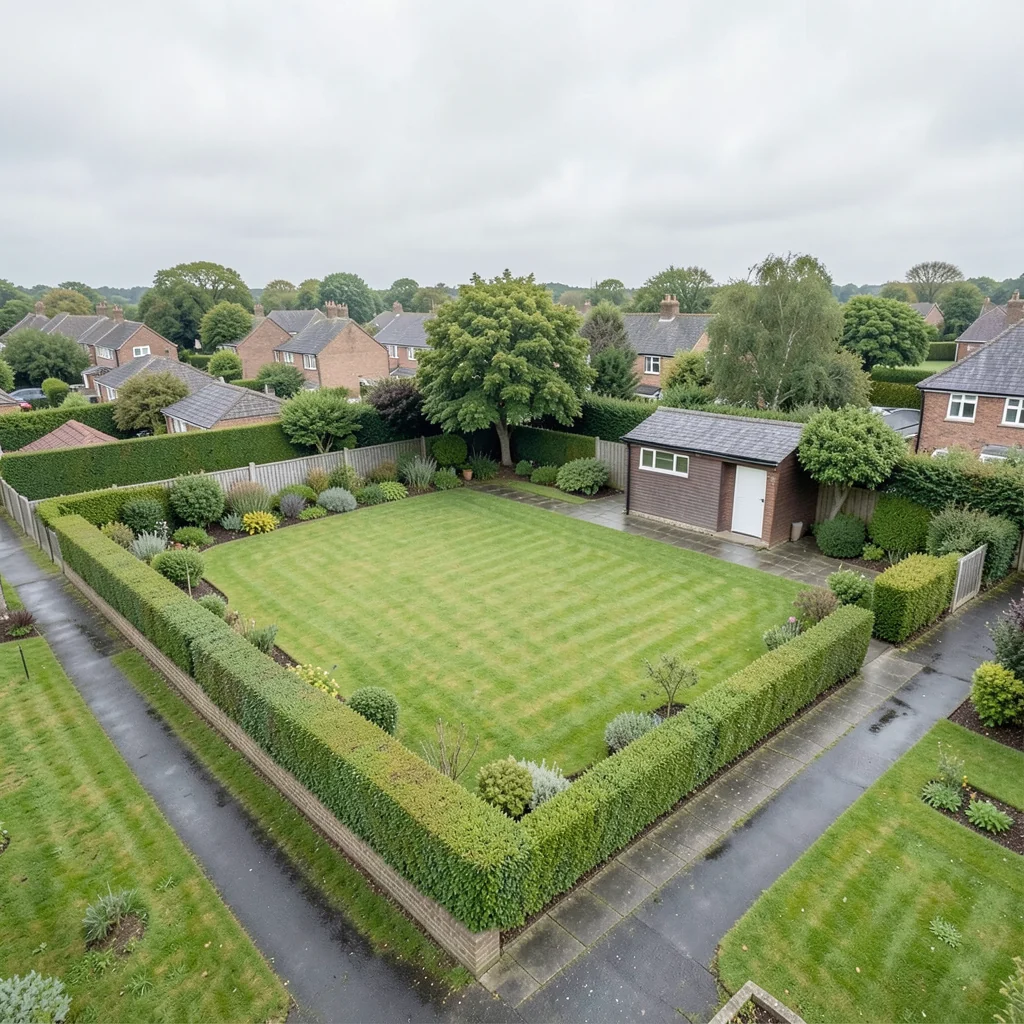
01 / The ground around your home
Describe the land available and how it is used: garden, driveway or other outdoor space. Include an approximate layout if you already have one. Do not assume the visible garden alone settles which collector arrangement could be considered.
02 / Access to the site
Think about the route from the road to the working area. Mention narrow passages, gates, steps or other constraints you know about. Existing drawings and normal photographs can be useful; no excavation or investigation is needed for your first email.
03 / The home above it
Share the property type, approximate size if known, and any changes to insulation or room layout being considered. The building’s heating needs matter alongside the land. You do not need to calculate heat loss yourself.
04 / Your existing heating
Describe radiators, underfloor heating, hot-water storage and the current heat source as far as you know. Questions about future distribution and equipment space should be considered together, rather than treating the collector as an isolated choice.
05 / Permissions and coordination
Flag anything you already know about ownership, shared access, protected areas or planned building work. Any necessary permissions, investigations and specialist inputs need to be established for the actual project; this checklist does not determine them.
Think about the collector.
Then look beyond it.
∿ ∿ ∿Horizontal loops
A horizontal collector uses buried pipework spread through the ground. The available area, its use and access for the work are relevant discussion points.
Bring a rough layout of the land if you have one. Identify buildings, paths and constraints you already know about. Do not assume a visible open space alone confirms a design.
↓ ↑ ↓ ↑Vertical boreholes
A vertical arrangement uses boreholes rather than spreading the collector across the same surface area. It raises its own questions about access, ground conditions and specialist work.
Ask what investigation and permissions may be needed for the actual site. This overview does not select an arrangement or establish feasibility.
See how the collector connects to the home ↗Keep the unknowns visible.
It is fine to leave measurements, equipment details or underground conditions unknown. Label estimates clearly and bring the documents you already have. A useful first enquiry describes the property and your priorities; it does not require a finished design.
Collect your project notes ↗