Access
Mention fitted cupboards, boxed-in pipework, restricted working space or rooms that need to remain usable. Describe the situation without removing panels.
 flowtechPLUMBING & HEATING
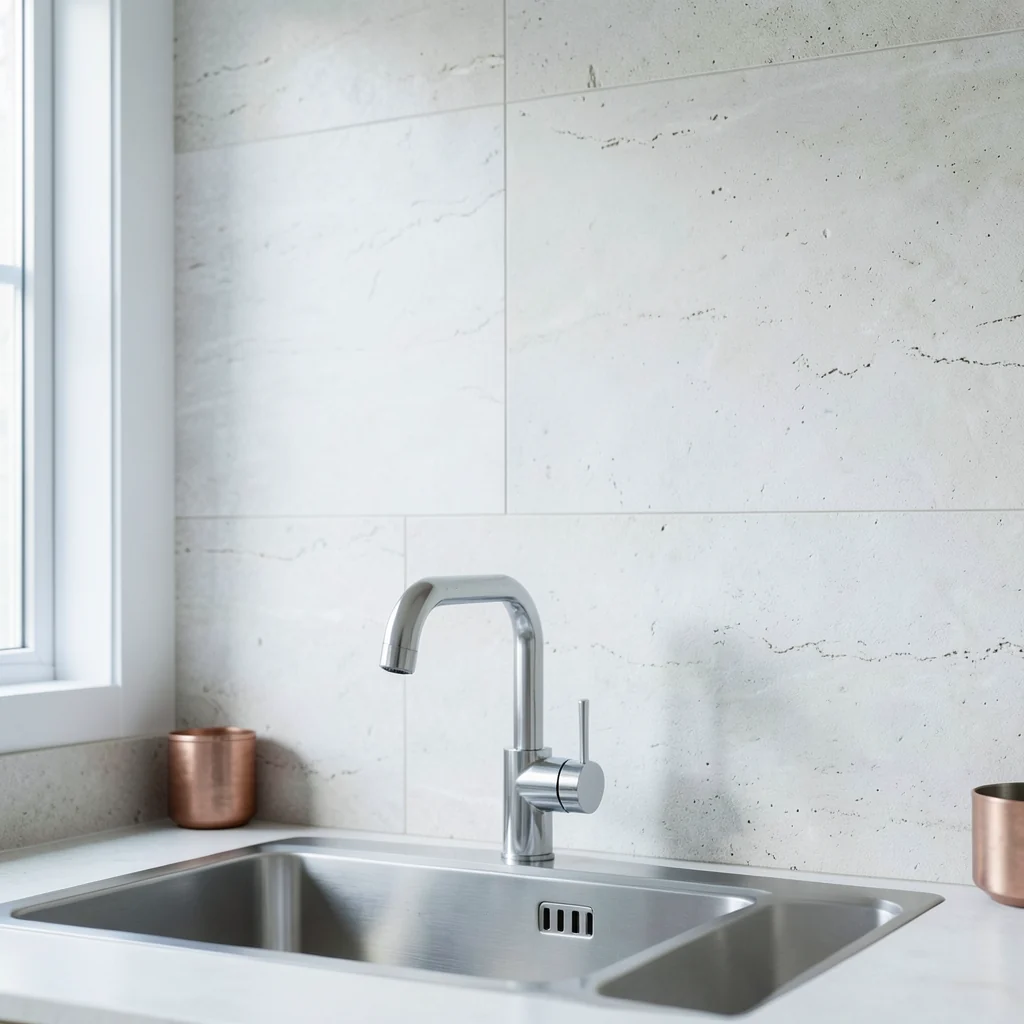
Domestic plumbing begins with the places you use every day. Tell FlowTech what needs attention, or what you are planning to change.
A dripping fixture, water appearing where it should not, or a change around a sink can all start a useful plumbing conversation. You do not need to name the part or diagnose the cause. Describe the room, the fixture and the change you have noticed.
Say whether the issue is constant or intermittent, and when you first noticed it. If more than one fixture is affected, include that too. Photographs of the area as you normally see it can help explain your enquiry; there is no need to dismantle anything to gather information.
For a replacement fixture or a room refresh, explain what you want to keep and what you hope to move. A different position may affect the pipe route and access, so include a simple sketch or existing room photograph if you have one.
If you already have a product in mind, share its name or specification in your email. Buying a fixture and agreeing installation work are separate decisions. Discuss compatibility and the work involved before committing to the layout.
Mention fitted cupboards, boxed-in pipework, restricted working space or rooms that need to remain usable. Describe the situation without removing panels.
Explain whether this is an existing issue or part of planned work. Include your preferred timing so it can be discussed alongside the scope.
Send an enquiry about the work and ask about availability. This website does not book attendance or provide an emergency response service.
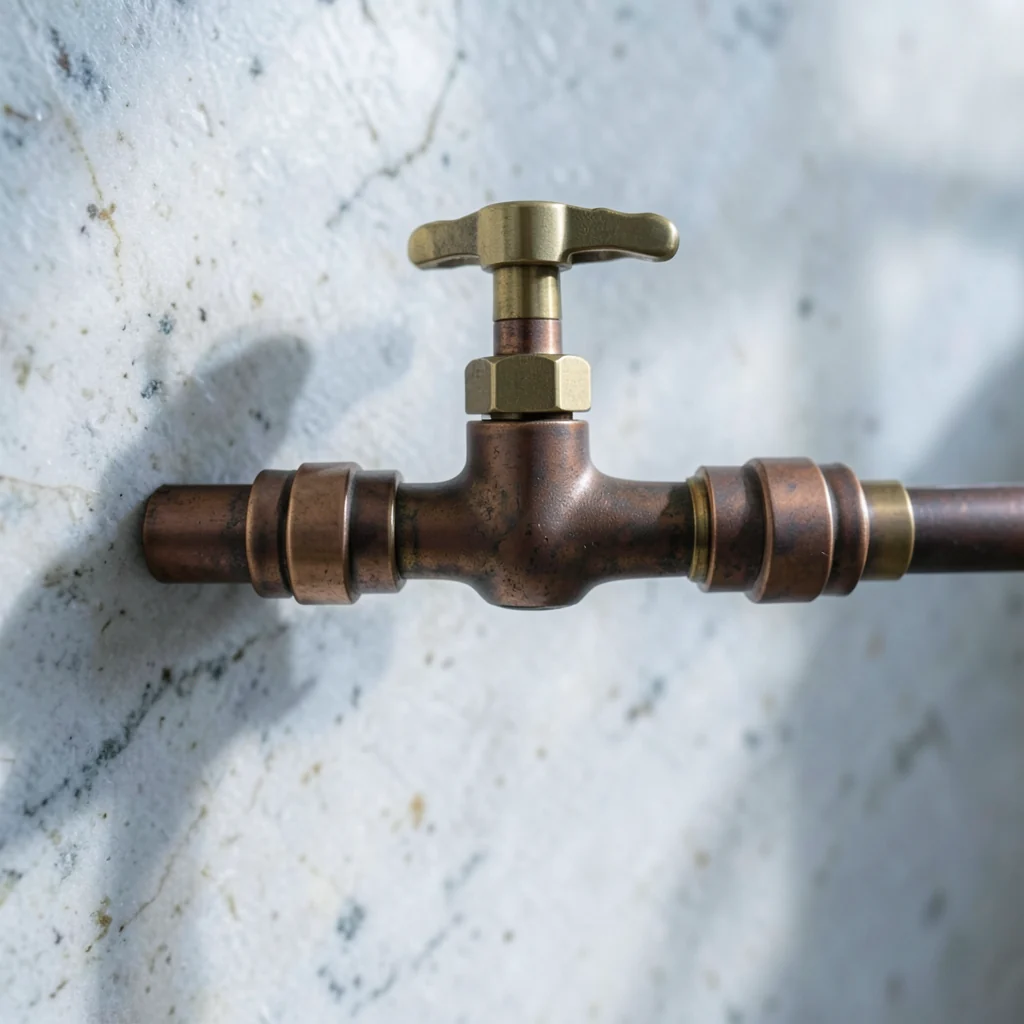
A small observation can give the conversation direction. Is the issue at one tap, in one room or across several outlets? Does it happen all the time, or at a particular point in the day?
For planned work, describe the room as it is now and the arrangement you have in mind. Include product details if you already have them, but leave compatibility as a question to discuss.
Build your observation note ↗Note the affected fixture, when the change began and whether it is constant or occasional. Explain any visible water or noise without assigning a cause.
Share what is there now, the replacement you are considering and what access looks like. A normal photograph helps explain the setting.
Include a layout, proposed positions and any other work planned. Moving a fixture can affect the route behind the finish.
Choose the details relevant to your home. Add what you know and leave anything uncertain as a question.
Your choices stay on this page. Opening email prepares a draft; you decide whether to send it.
Taps and appliances depend on their water supply and connections. A replacement fixture needs to suit the existing arrangement, so the product choice and the pipework belong in the same plan.
Keep the model or specification of a proposed product. A similar appearance does not mean every fitting is interchangeable.
Sinks, baths and showers also need a practical waste route. Moving a fixture changes more than where the tap sits: the available route and relationship to the existing drainage matter too.
A simple current-and-proposed layout is useful when discussing a room redesign.
Cabinetry, boxing and finished surfaces can conceal the connections. Think about access alongside the desired appearance, so a finished room does not make future attention unnecessarily difficult.
Describe existing restrictions without removing panels or opening equipment to prepare your enquiry.
Tell us where you are, what you have in mind and what you’d like to ask.
Start a conversation ↗[email protected]