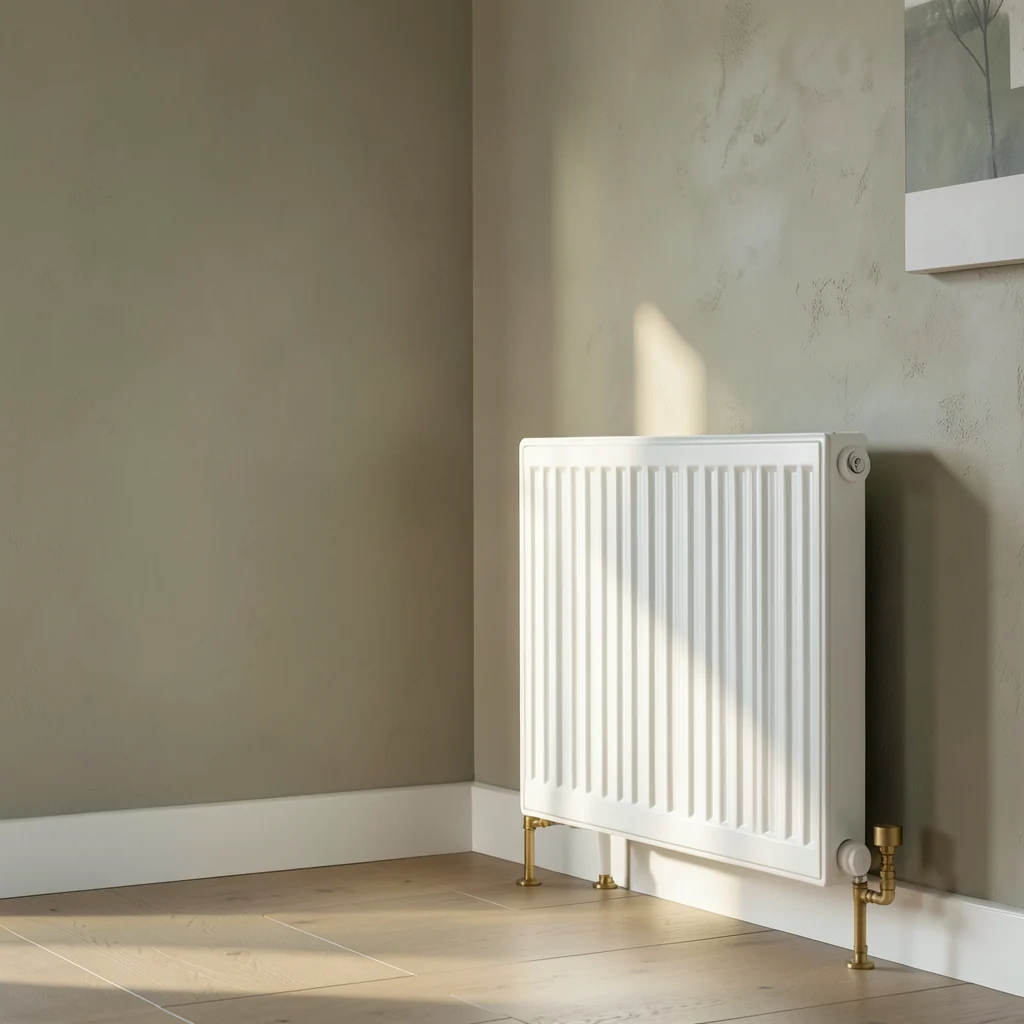
Soft afternoon light across a domestic radiator and plaster wall
FlowTech / HomeWarmth / Room atlas

Comfort has
many parts.

The rooms you use. The controls you live with. The changes ahead. Start a heating conversation with the whole home in view.

Choose a starting point

Where do you notice the difference?

Describe which rooms feel different, when you notice it and how you normally use the heating. A room-by-room account is more useful than guessing which component is responsible.

01 / Your current arrangement

Tell us how your home is heated if you know: radiators, underfloor heating or a mixture. Include any visible equipment name and the type of controls you use. If you are unsure, simply say so. A normal-view photograph can provide context without opening equipment.

Separate what you observe from what you suspect. For example, describe a room feeling different at a particular time rather than assigning a technical cause. This helps keep the initial conversation focused on what is actually happening.

02 / How the home is changing

A new room layout, an extension or changes to insulation can alter the questions worth asking about heating. Share those plans alongside the existing system, even if the building work is still at an early stage.

If you are considering ground source, the heat source is only one part of the discussion. The home, heat distribution and space for equipment need to be considered together. Our system guide shows those relationships without assuming a particular solution is right for your property.

Follow the ground-to-home system

03 / A useful heating enquiry

Include your locality, the rooms or hot-water outlets involved, what you want to change and any proposed timing. Ask FlowTech to discuss the possible scope and availability. There are no online prices or appointment slots here; the next step is a conversation about your home.

Prepare a heating enquiry
UNDERSTAND YOUR HEATING

Comfort comes from
how the parts work together.

Heat demand.

A room loses heat through its fabric and ventilation. The building’s construction, insulation and dimensions influence the heating needed to maintain comfort.

Changes to insulation or an extension can therefore affect the design conversation, not just the appearance of a room.
Heat distribution.

Radiators and underfloor heating transfer warmth into rooms in different ways. Their output needs to relate to the room’s demand and the temperatures at which the system operates.

A different heat source may require a fresh look at the distribution rather than a simple like-for-like assumption.

Control & routine.

Controls determine when heat is requested and how the home responds to daily use. The arrangement may include timers, thermostats or separate zones.

Describe the controls you use and your routine. Include hot-water requirements so space heating is not considered alone.

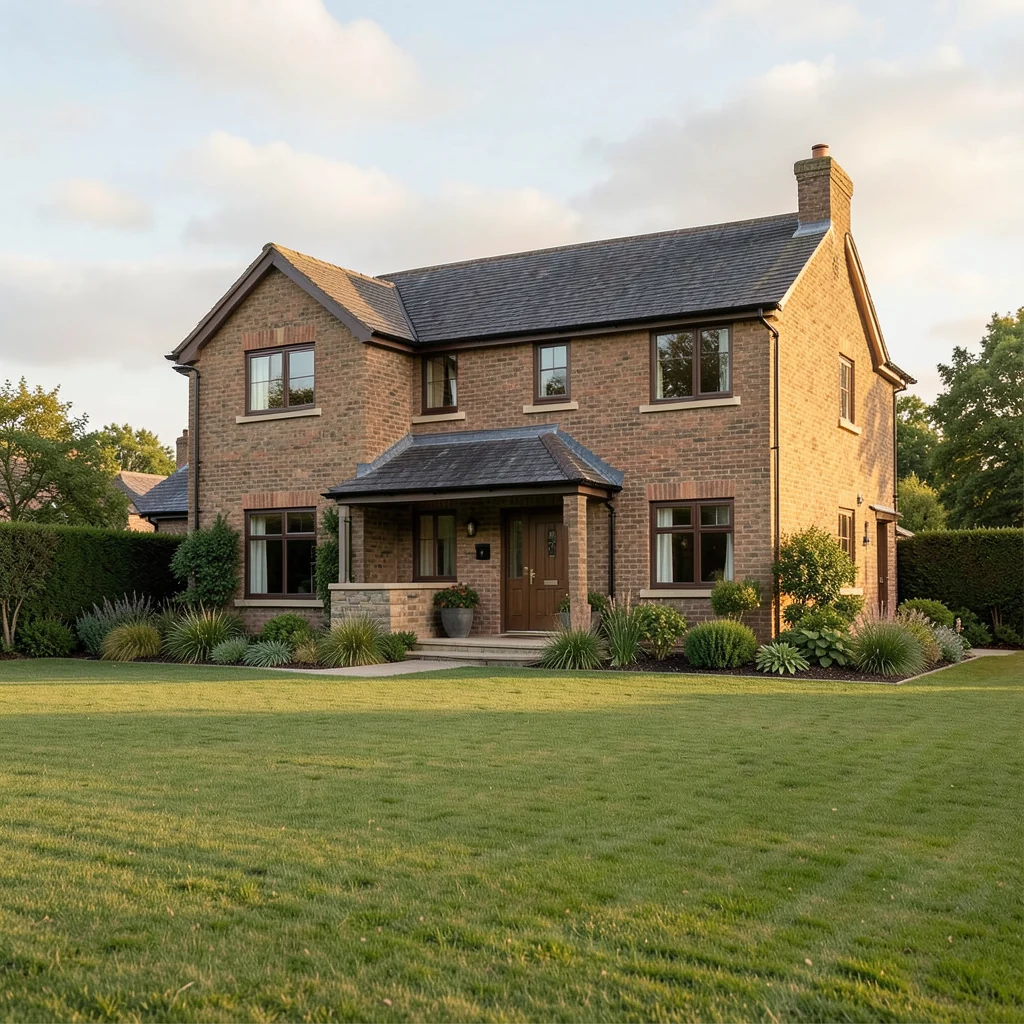
An illustrative domestic house showing the building as a whole
THE BIGGER PICTURE

One home.
Many moving parts.

A heating conversation is about more than a single piece of equipment. How warmth reaches each room, how you use the controls and how hot water is provided all contribute to the current arrangement.

A change to insulation or room layout can matter as much as a change to the heat source. Bring these plans together rather than treating each decision in isolation.

Considering a different heat source? ↗
IN YOUR OWN WORDS

A useful room-by-room view.

Where you notice it

Name the rooms or hot-water outlets affected. Include whether the change is localised or seems to involve the whole home.

When it happens

Describe your normal routine and the times the difference is noticeable. This gives context without trying to diagnose equipment.

What you want to change

Comfort, room use, layout and future plans are useful starting points. Separate the outcome you want from any solution you have in mind.

YOUR HOME. YOUR NEXT CHAPTER.

Let’s get
things flowing.

Tell us where you are, what you have in mind and what you’d like to ask.

Start a conversation ↗[email protected]